
As a committed and dedicated writing instructor, I value community, inclusivity, relationship building, and a commitment to active learning in every classroom environment that I enter. My teaching strives to (a) build student writing confidence, (b) foster curiosity related to writing and research, and (c) show students the civic, professional, personal, and political value that writing can play in their lives.
See my Statement of Teaching Philosophy.
View my Teaching Dossier.
See a sample FYC syllabus and sample Technical Communication syllabus
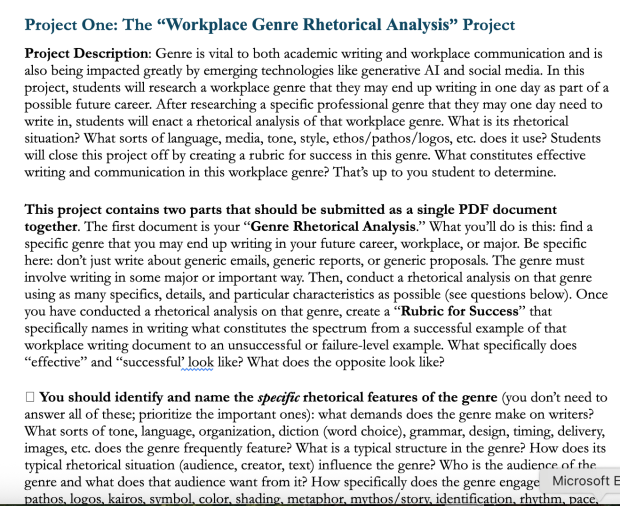
See a sample assignment prompt in a First Year Writing course.
For more on how I incorporate inclusivity, equity, and social justice into my teaching, see my Diversity Statement.
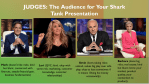
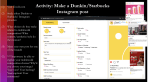
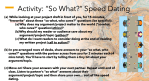
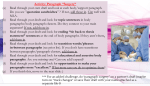
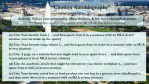
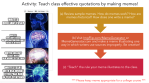
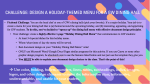
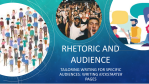
Writing As Active Learning (above lesson plans): My classroom approaches writing as an action and as a verb. Students become participants– not spectators– when learning how to write. For instance, in my classroom, students:
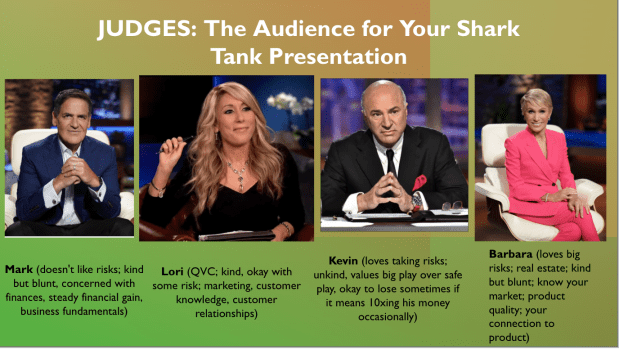
- (a) Learn to enact the rhetorical situation by creating a Shark Tank presentation with a specific judge as their audience,
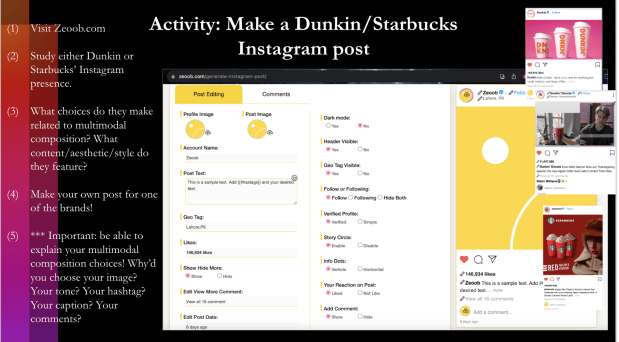
- (b) Learn multimodal composition by making fake Starbucks and Dunkin Instagram posts,
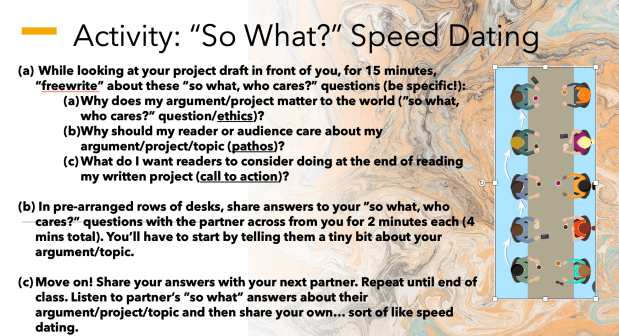
- (c) Learn to write effective conclusions (with a call to action, pathos/ethical writing, and by answering a “so what, who cares?” question) in a “Conclusion Speed Dating” activity,
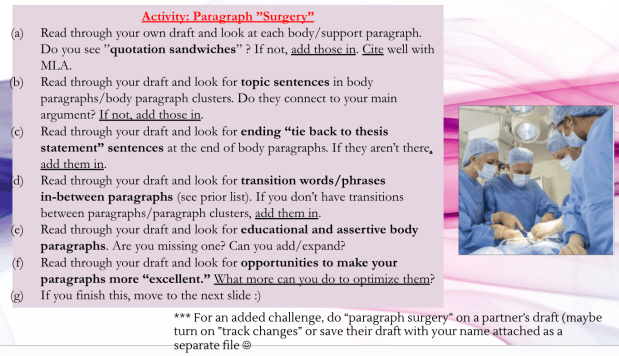
- (d) Learn editing and revising by doing “paragraph surgery” on their own/a partner’s drafts,
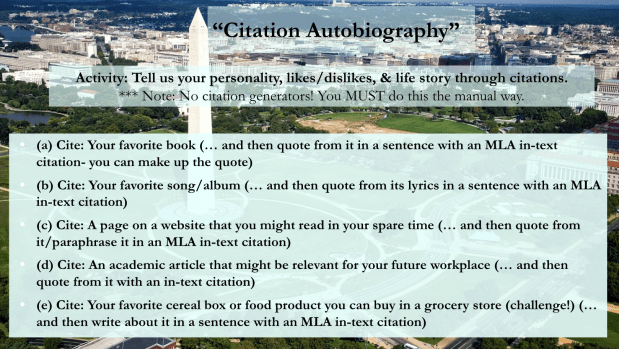
- (e) Learn MLA/APA citations by preparing a “citation autobiography” to share with the class,
- (f) Collaboratively teach classmates how to quote from academic research effectively by making memes illustrating effective practices,
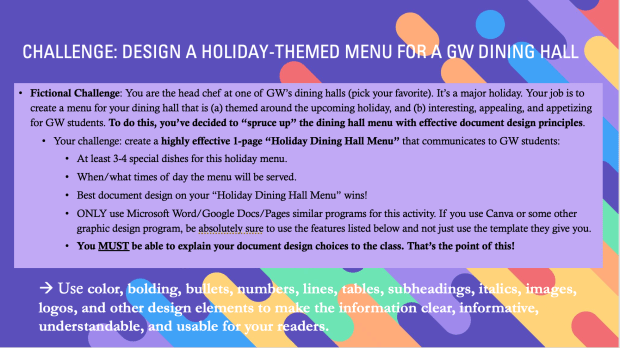
- (g) Learn document design/public writing by making a holiday-themed menu for a campus dining hall,
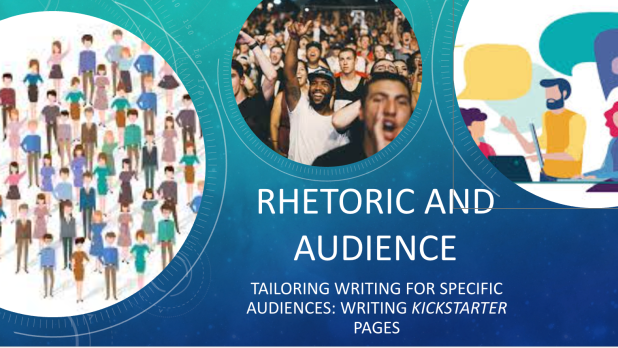
- (h) Learn to tailor writing for a specific audience’s needs by writing Kickstarter pages

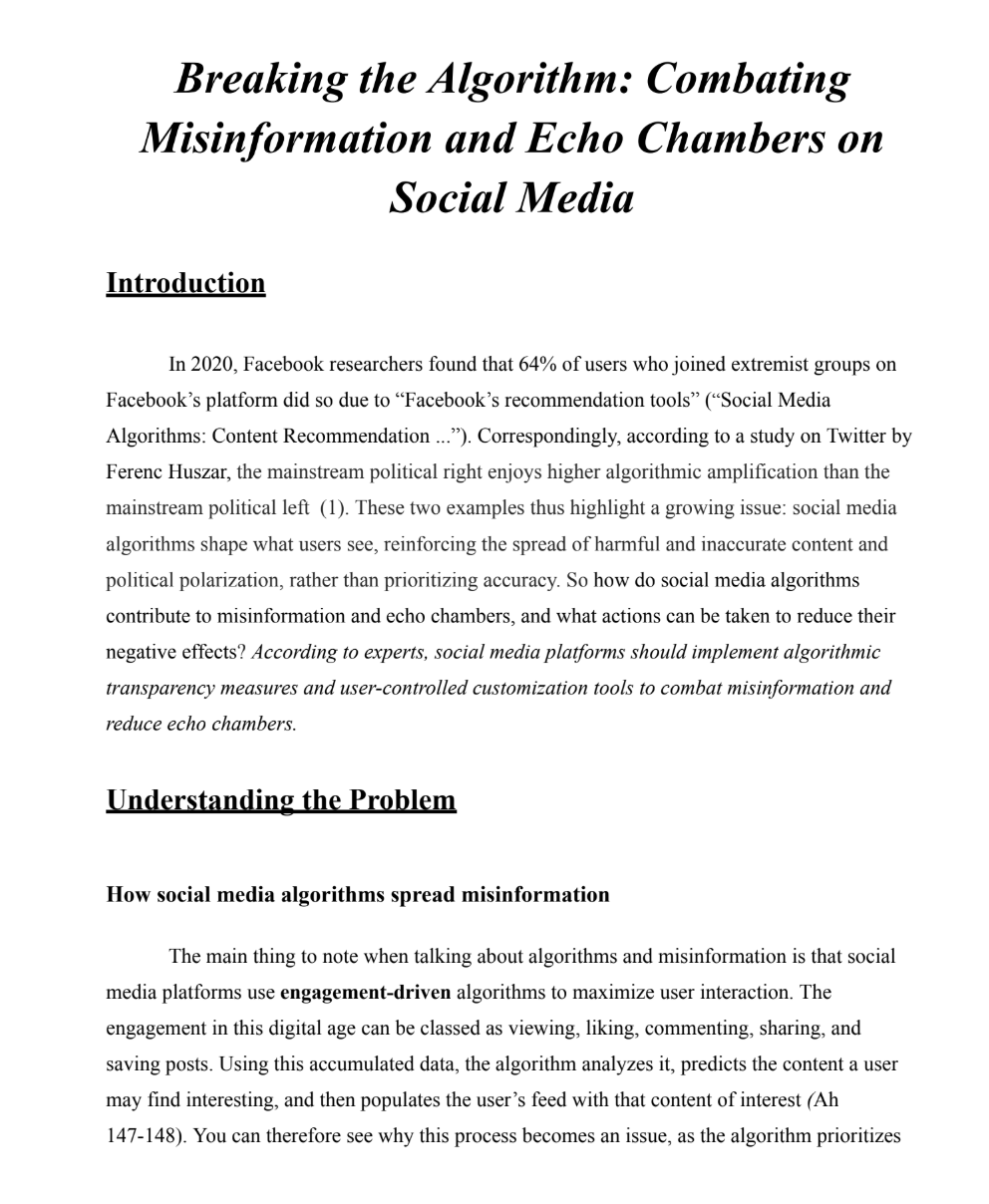
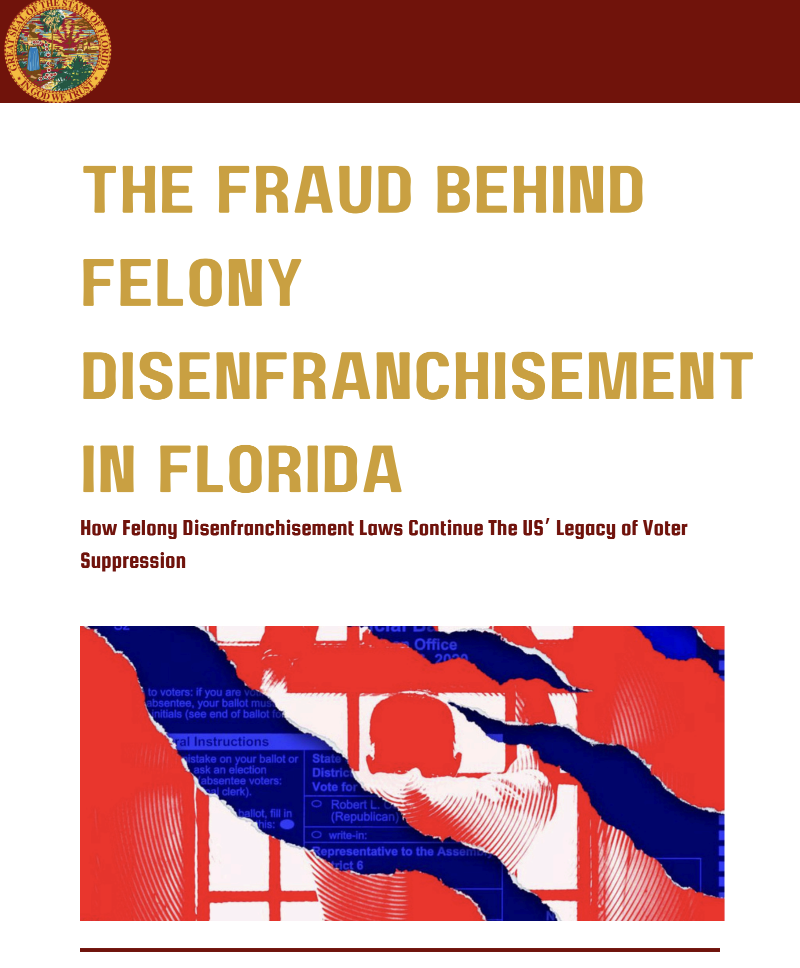
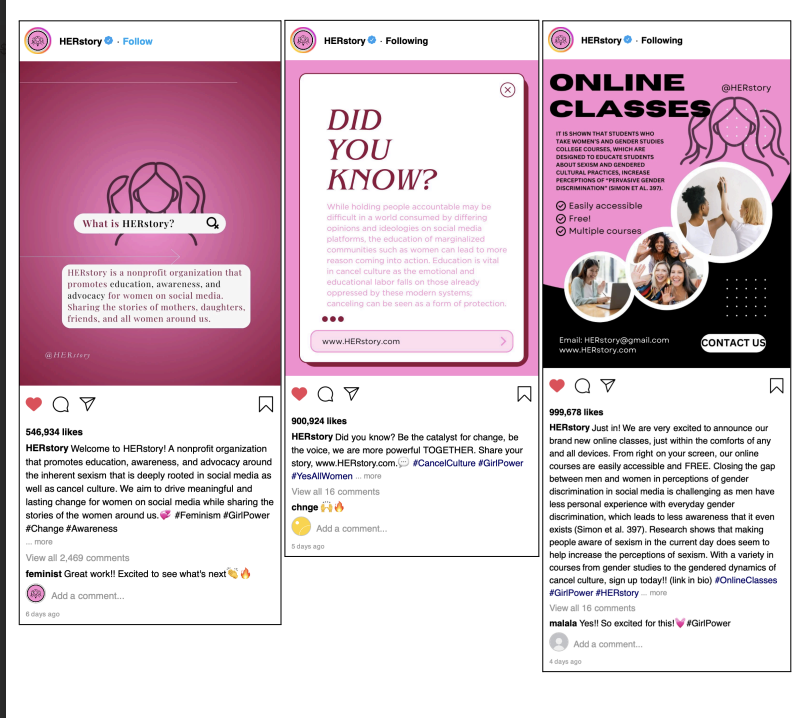
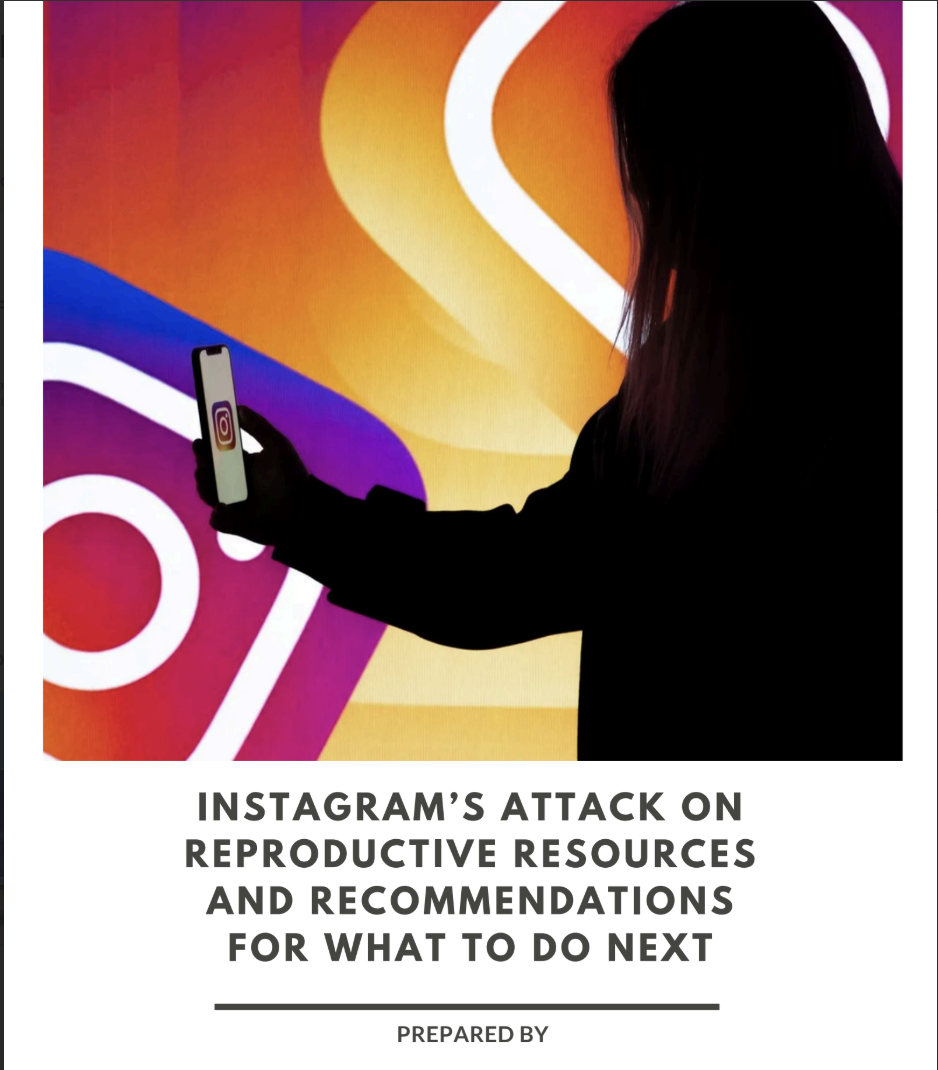

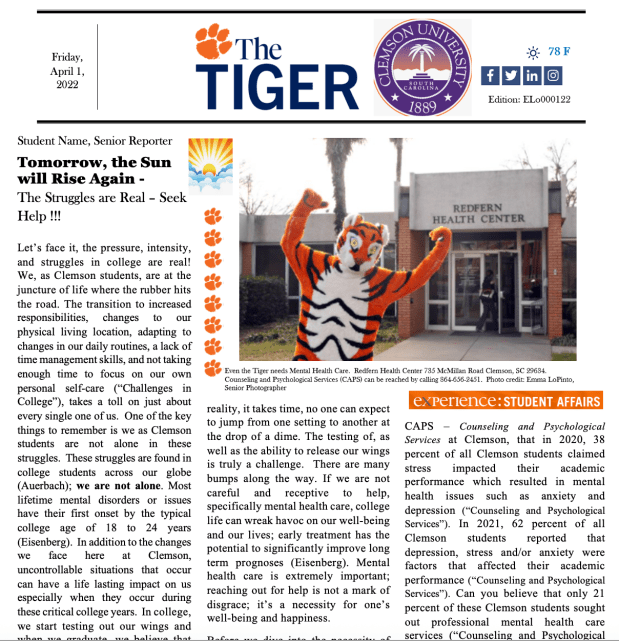
Writing Assignments for 21st Century Citizens (above FYC/TPC assignments)- In these documents created by students in my past classes (and voluntarily shared here), students:
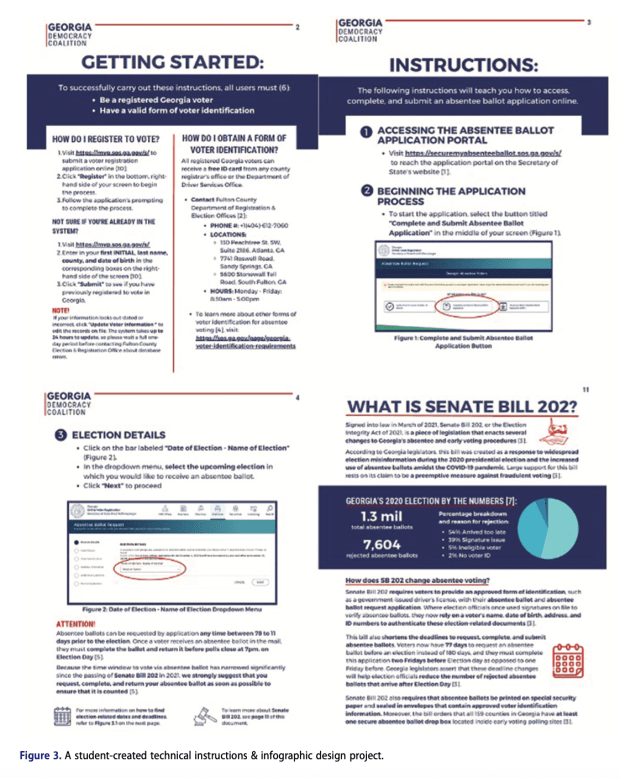
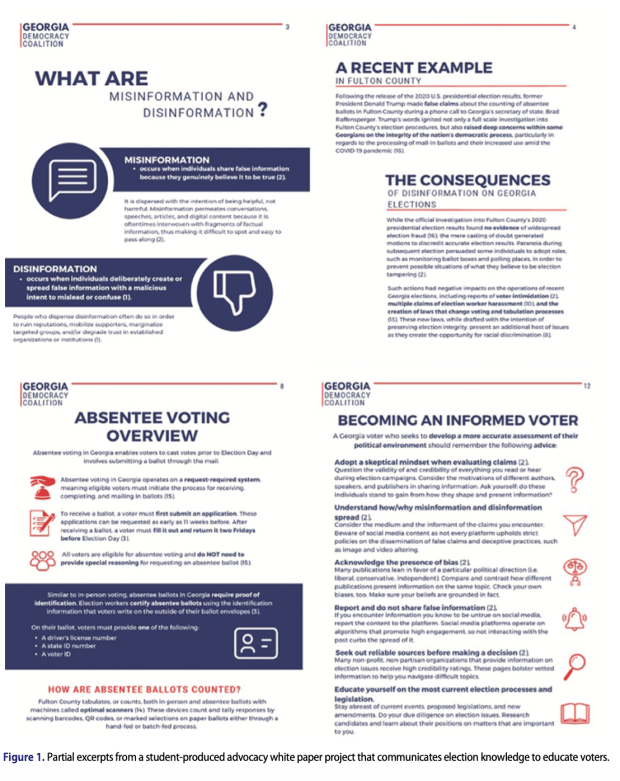
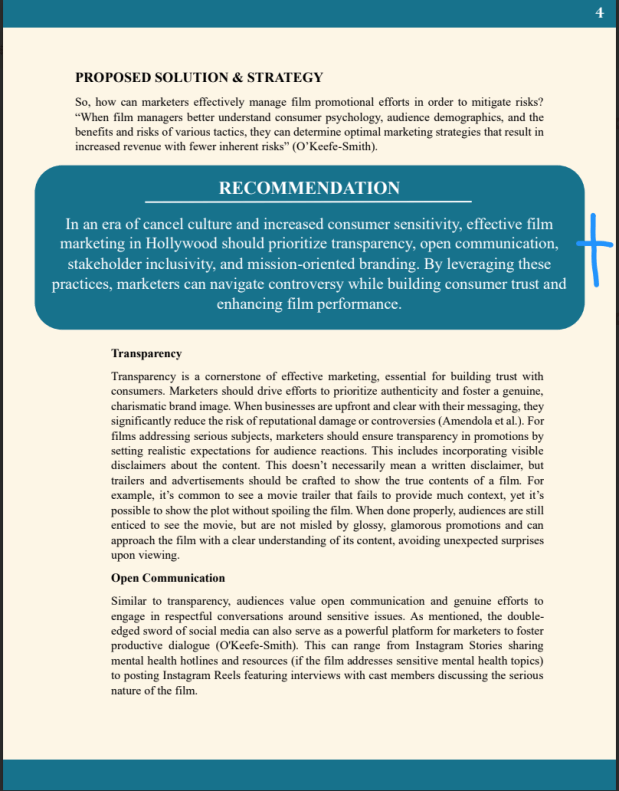
(a) communicate an argument to a public audience that is supported by research as part of a “Public Recommendation Report” project,
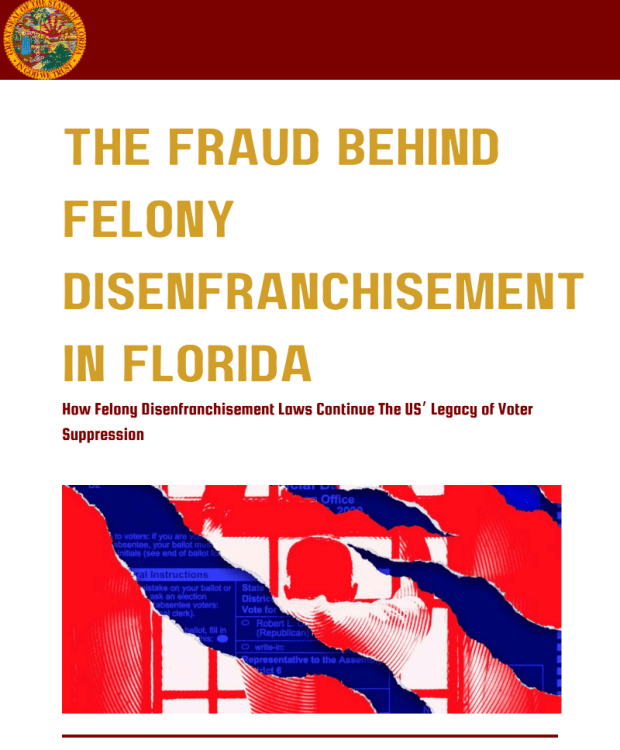
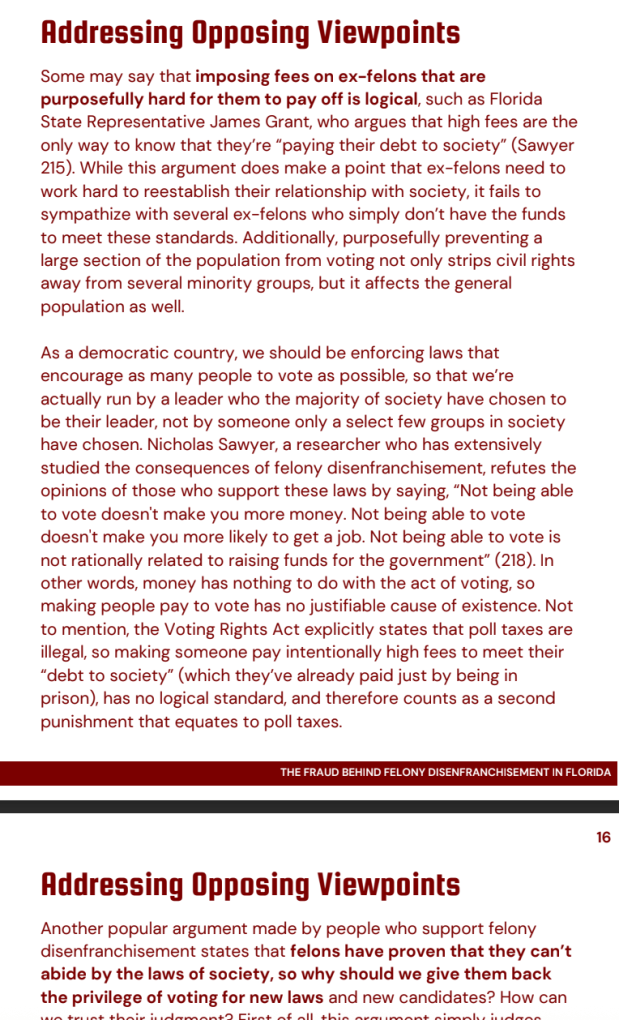
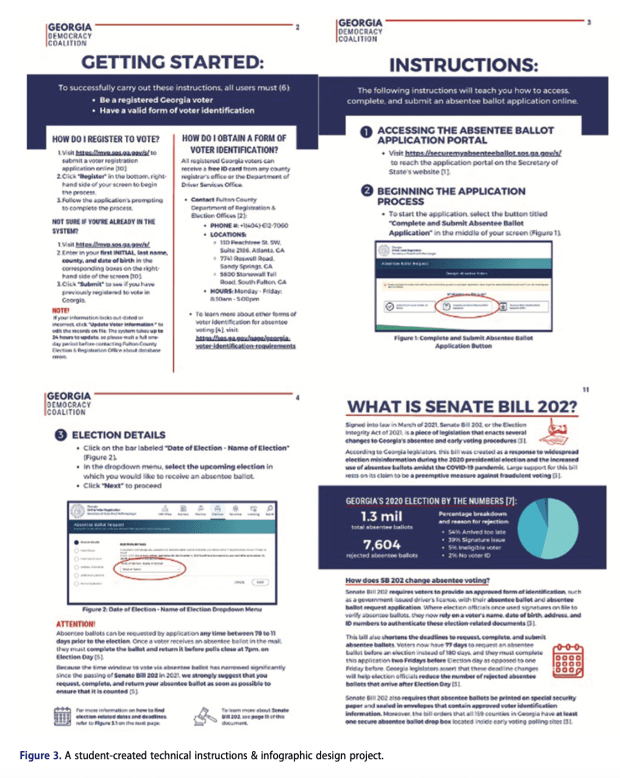
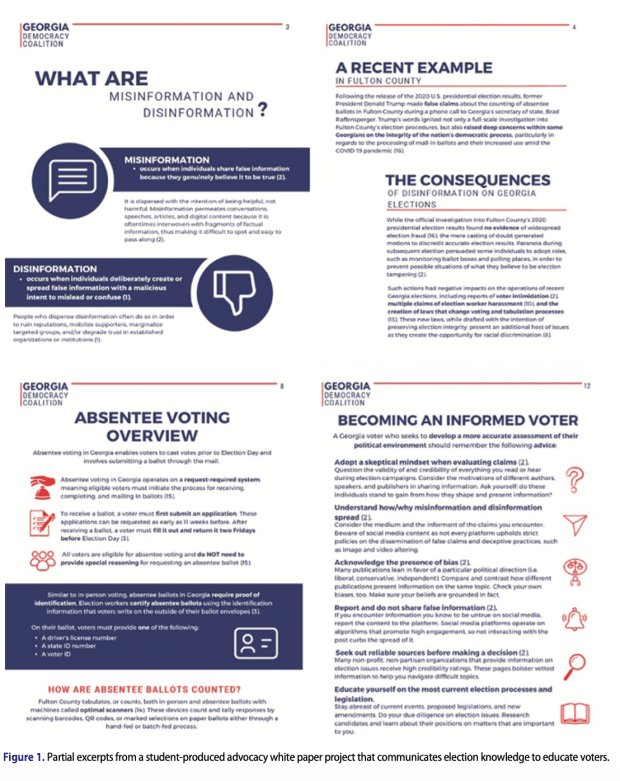
(b) connect writing to civic engagement and democratic exigencies by preparing written researched arguments for the public about race-based voter suppression,
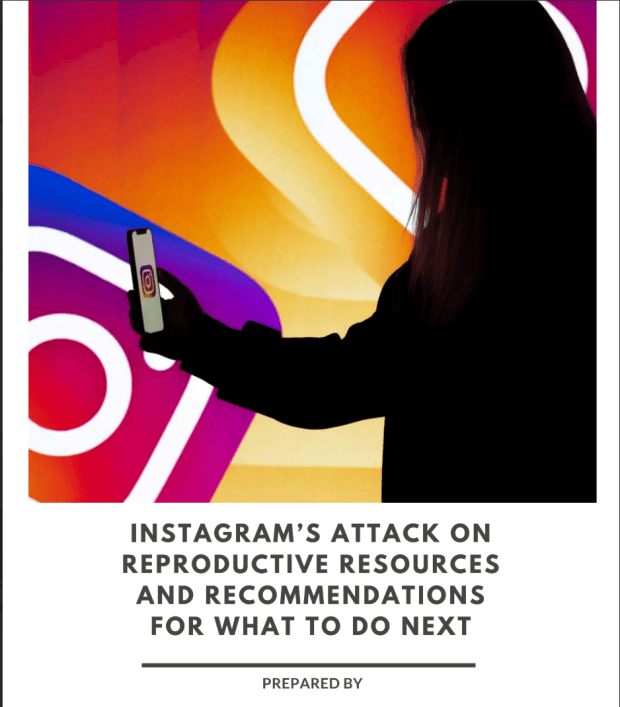
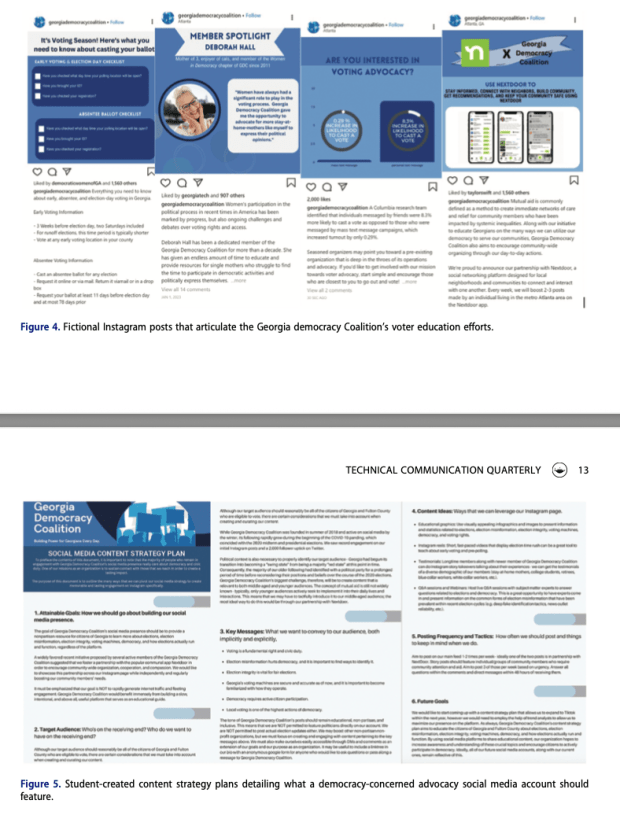
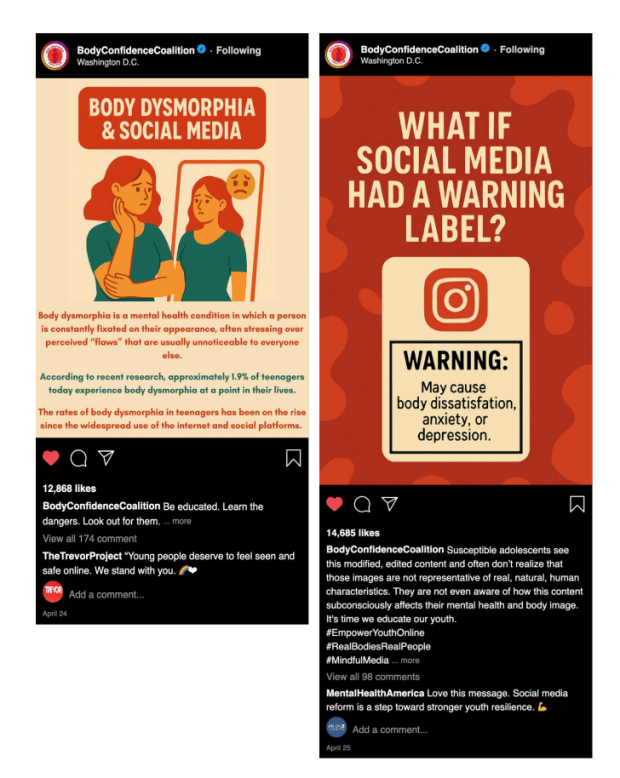
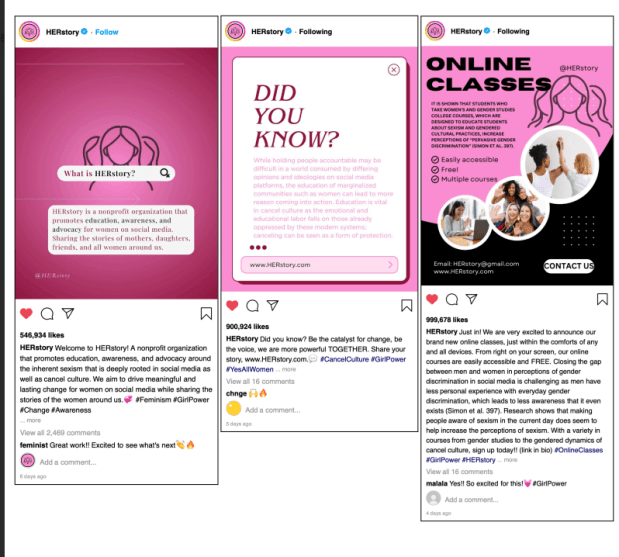
(c) remix academic research and writing projects for social media audiences in a “Social Media Rhetorical Campaign” project,
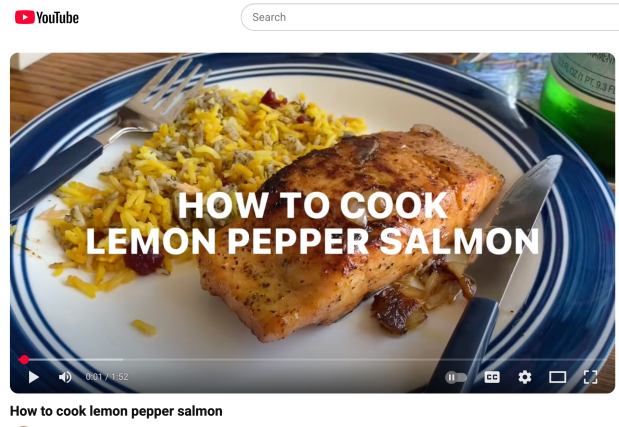
(d) communicate complex information in video form in a Technical Communication course within a “YouTube Tutorial” project about cooking lemon pepper salmon.
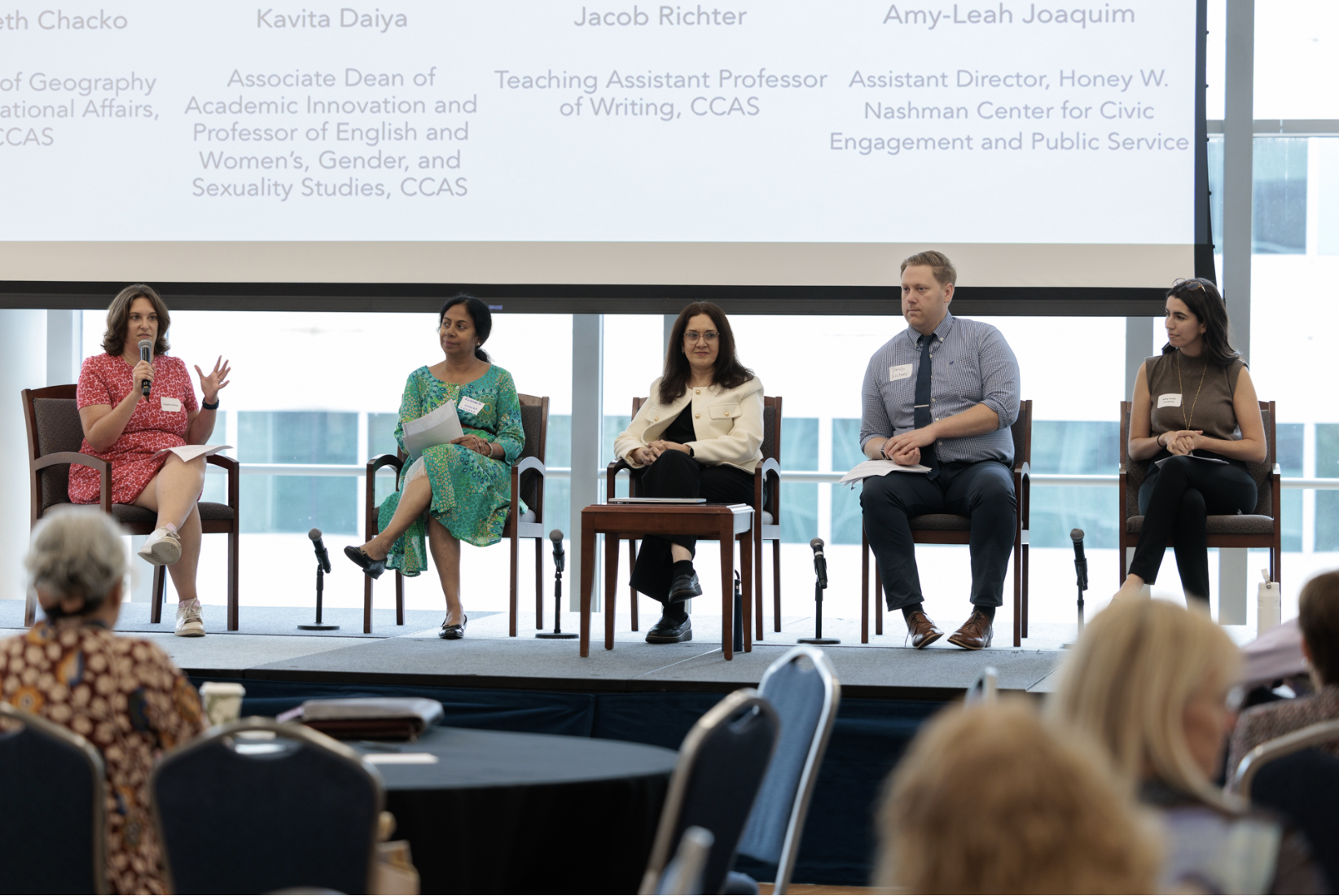
Jacob discussing active learning, civic engagement, and democratic exigencies in writing pedagogy at The George Washington University’s 2025 “Teaching Day” event hosted by the Center for Teaching Excellence
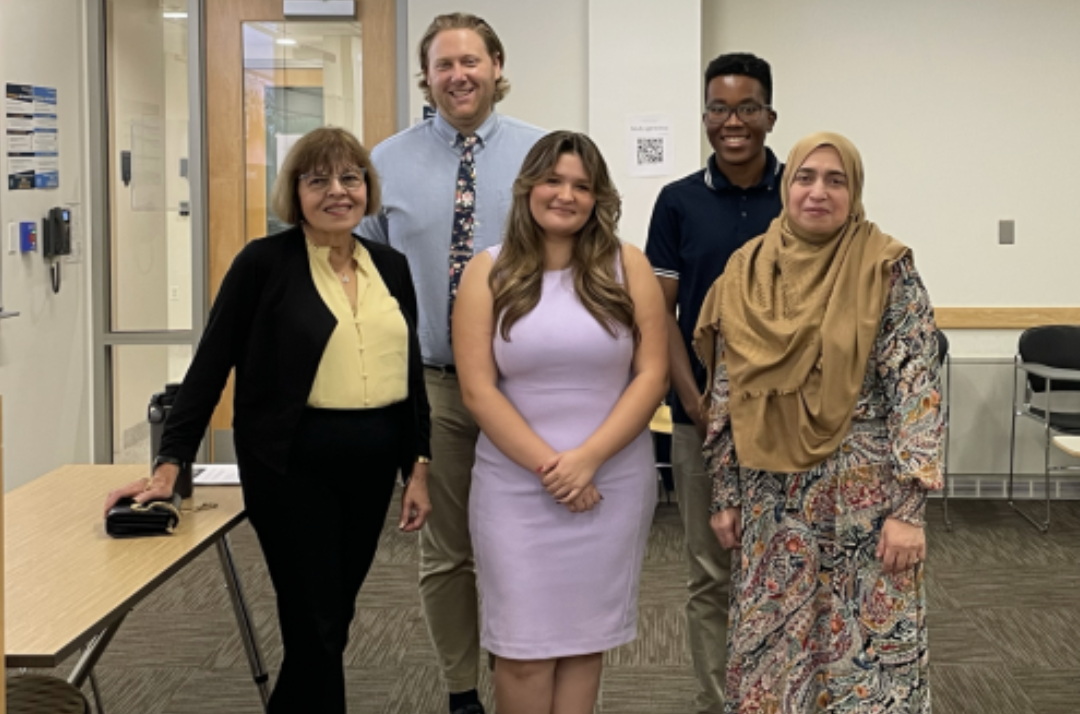
Jacob (serving as conference co-chair) appears with student presenters and writing program faculty at George Washington University’s Spring 2025 University Writing and Research Conference
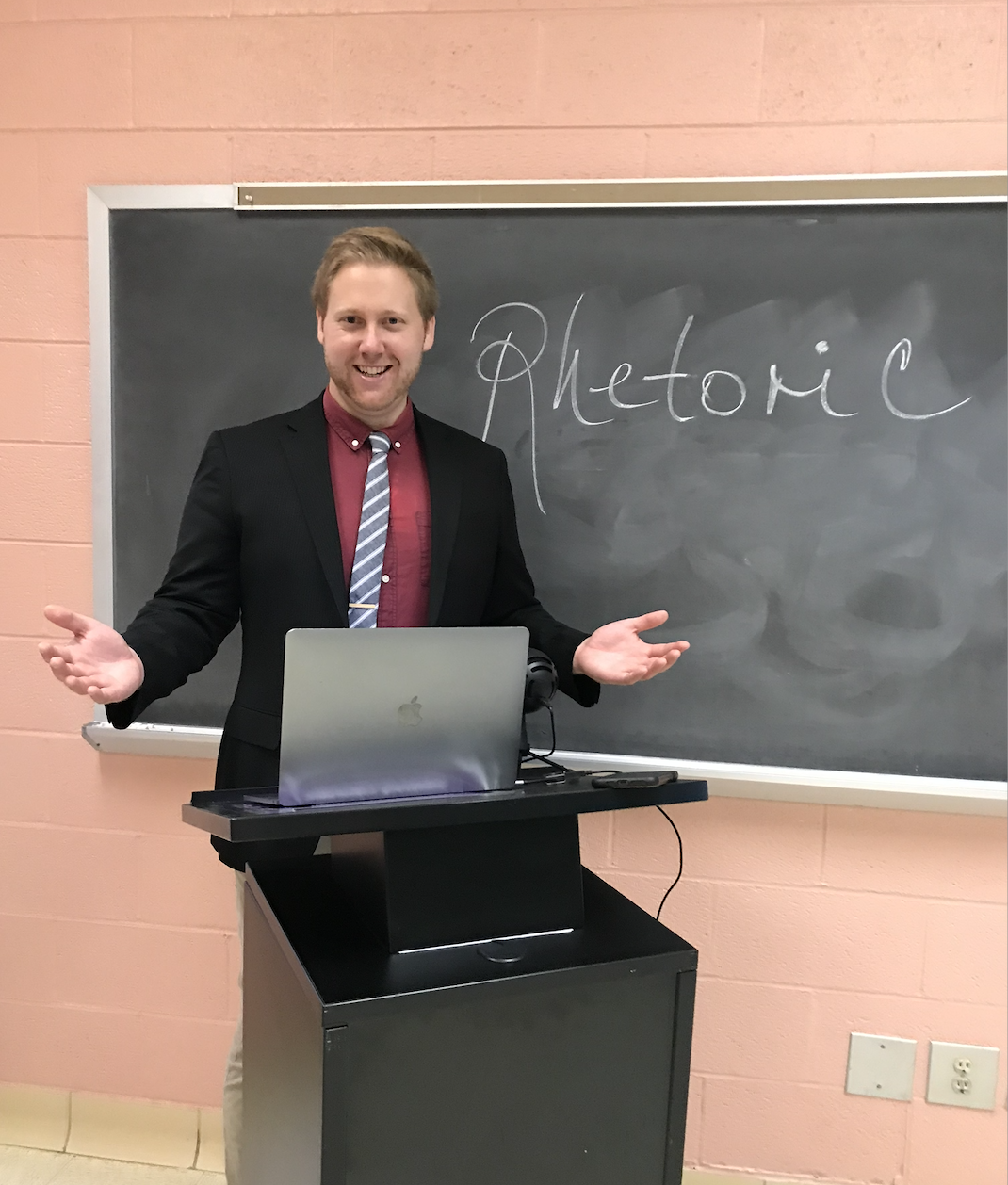
Connecting with students and demonstrating my enthusiasm for the role rhetoric and writing can play in their lives is one of my greatest passions
My Teaching Philosophy
MY COURSE SYLLABI
The George Washington University (2023-Current):
University Writing 1020: Writing for Social Media
Fall 2025- (Current Syllabus- most recent)
Summer 2025- (Syllabus)
Spring 2025
University Writing 1020: Writing in Responsive Workplaces
Fall 2024- (Syllabus)
University Writing 1020: Writing Democracy- Professional Writing’s Utility for Democracy and Social Justice
Fall 2023- (Syllabus) / Spring 2024- (Syllabus) / Summer 2024 (Syllabus)
Georgia Tech (2022-2023):
LMC 3408: The Rhetoric of Technical Narratives
Spring 2023- (Syllabus w/ Assignment Prompts)
LMC 3404: Social Media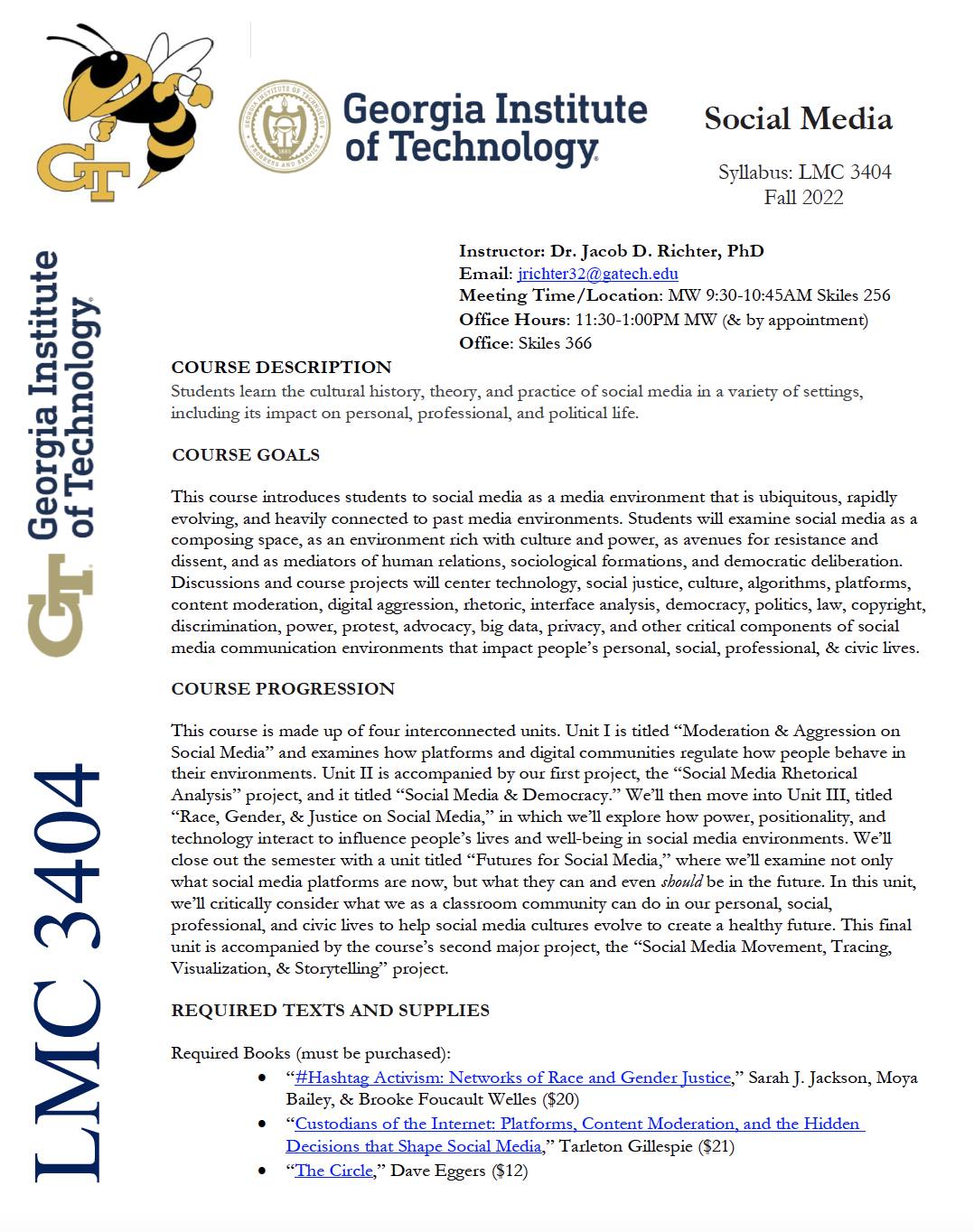
Summer 2023- (Syllabus)
Fall 2022- (Syllabus)
LMC 3206: Communication & Culture
Spring 2023- (Syllabus)
Fall 2022- (Syllabus)
Clemson University (2018-2022): 
ENG 3140: Technical Writing
Summer 2022- (Syllabus w/ assignment prompts)
Summer 2021- (Syllabus w/ assignment prompts)
Summer 2019- (Syllabus) (Official Assignment Prompts)
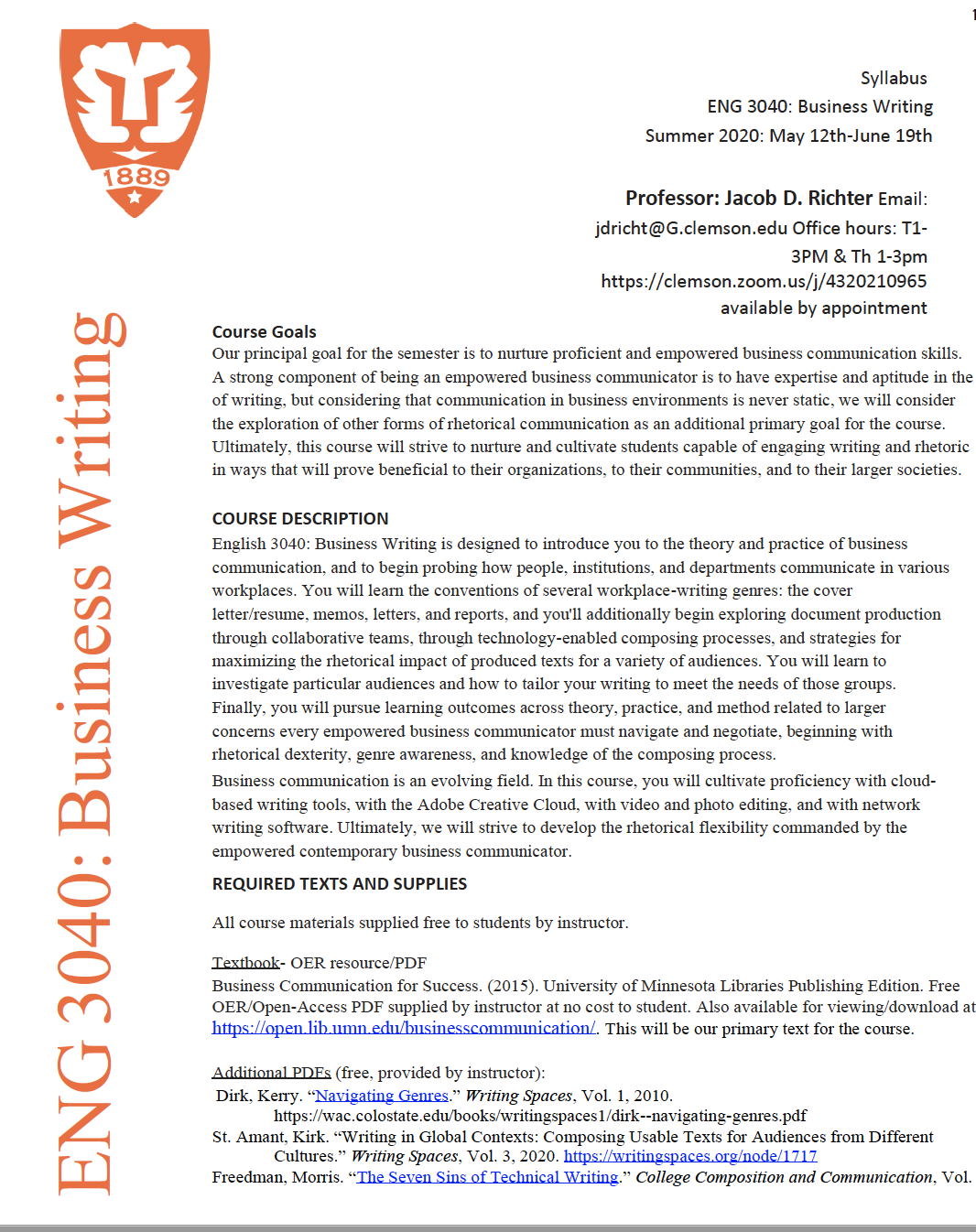
ENG 3040: Business Writing
Summer 2020- (Syllabus with Assignment Prompts) (Online)
ENG 1030: Composition and Rhetoric
Spring 2022– (Syllabus)
Fall 2021– (Syllabus)
Spring 2021– (Syllabus) (Online)
Fall 2020– (Syllabus) (Online)
Spring 2020– (Syllabus)
Fall 2019– (Syllabus)
Spring 2019-( Syllabus) (Retold Histories of Clemson– Public Humanities multimedia documentary project).
Fall 2018-( Syllabus) (Retold Histories of Clemson– Public Humanities multimedia documentary project).
***
As Assistant Director Of First Year Composition….
… I assisted early-career graduate students in their teaching of First Year Composition, which for many is their first experience teaching at the college level. I assisted in writing, developing, and refining the curriculum for Clemson University’s First Year Composition program, including helping to format assignment prompts, set standards for assessment, and build future curricula. Additionally, I created content for program-wise usage, including our program’s YouTube channel, which features videos on academic research, on researching with social media, and on assignment prompts that students, instructors, and other program stakeholders all make use of. Lastly, I assembled lesson plans, assignments, resource lists (such as where to find Creative Commons OER multimedia assets for multimodal projects, or guides to which video editing software to use), and other materials that a variety of programmatic stakeholders make use of. As Assistant Director of First Year Composition, I worked with Clemson’s Writing Program Administrator to assist new and experienced instructors, to improve and develop pedagogical resources, and to address individual and program-wide challenges as they arise.
When I teach Technical Communication….
… My Technical Communication courses are grounded in a commitment to communication across difference. When I teach Technical Communication courses, my students cultivate skills in audience analysis, document design, tone, diction, delivery, circulation, genre, interface, and social dynamics that are developed through practice. My Technical Communication courses value composing in varied media (video, audio, text, image) and focus on assessing what audiences need, desire, and require, and on how empowered communicators can tailor messages that meet and compliment these needs. Students in my courses begin by learning the basics of Technical Communication through preparation of technical documents such as resumes and cover letters that are tailored for a specific audience: a real and authentic job posting in their field or industry that they may end up applying for later on in their careers, assessing audience, exigence, purpose, and genre along the way. Students quickly transition into writing in common Technical Communication genres, and compose Technical Guides, Product Reports, Policy Change Memos, Product Recommendation Reports, “Bad News Emails,” and New Inquiry Letters across the arc of the semester. Students gain familiarity with composing in writing, but also in media that include infographics, videos, web pages, and social media accounts. Additionally, my technical communication courses strive to mobilize communication skills for the pursuit of equity, anti-racism, and social justice. For instance, students in my Technical Communications courses create Social Media Content Strategy Plans and Interaction with Internet Audiences Organizational Guides that address systemic issues in the world as part of the “Social Media as Technical Communication & Social Justice” Project. In the end, students leave my Technical Communication courses as better communicators, better writers and document designers, and as better practitioners of technical genres in their individual industries, disciplines, and careers. In the arc of my technical communication courses, students write in 15+ genres, assess a variety of audiences and learn how to tailor messages to them, connect the work of communication with the pursuit of social justice, and enact technical communication as both a theory and a practice that can help address some of the 21st century’s most important challenges.
When I teach Business Communication….
…My Business Communication courses are grounded in a commitment to practice (in the form of writing in 10+ genres and for an array of audiences, exigencies, and media) as well as to theory (in the form of attention to Business Communication’s dimensions related to cultural representation, inclusivity, intercultural communication, and communication across difference). Students in my Business Communication courses practice business communication in a variety of genres, including through discussion but also enactment of genres such as specialized industry reports, inter-office memos, professional reports, adjustment letters, meeting plan memos, “change-needed interpersonal emails,” “bad news emails,” “bad news letters,” resumes, cover letters, reports for “a concerned general public,” and even two genres of a students own selection/creation that they envision writing in later on in their professional career. Additionally, my Business Communication students attend to audiences as varied and diverse as a potential future employer found on Indeed.com, an internal company committee, an underserved customer, an underperforming employee, an inter-departmental committee meeting assembly, a “concerned general public,” and an audience of their industry or disciplinary peers. In my Business Communication courses, I foster a commitment to not only the technical and professional aspects of Business Communication, but also to the cultural, political, interpersonal, and justice-concerned dimensions entailed in business communication as well. Some of the signature projects in my Business Communication courses include the “Routine Week of Business Communication, Week A/B” projects, the “Career Report” project, the “Resume and Cover Letter as Business Communication” project, and the “Personalized Career Communications” project. You can read more about these projects, or about my Business Communication course goals and outcomes, on my Business Communication course syllabus.
When I teach First Year Composition….
…My First Year Composition courses are grounded in a commitment to nurturing empowered, proficient, ethical, and inclusive communication practices that help students to accomplish their own communication goals as well as those that serve the public. First Year Composition is oftentimes the first intellectual community that students are a part of in college, and as such, the course is an exciting opportunity to read, write, view, create, and compose in forms that are brand new and incredibly meaningful for students and their academic, professional, social, and personal growth. I am a teacher first, and in many ways, my teaching is my research.
I view First Year Composition as an opportunity to dive deep into culture; to explore deeply and thoroughly how language helps us to build communities, identities, and lifeworlds; to consider research, genre, writing, reading, and media as central to academic, personal, and social lives; and finally to practice the art of writing in a multitude of important forms. My First Year Composition courses center (a) rhetorical knowledge, (b) critical thinking, writing, and reading, (c) processes of composing, (d) knowledge of writing and composition skills, and (e) composing in electronic environments. In my First Year Composition courses, typical projects and assignments might include a Position Statement for a Public Audience project, a Landmark Analysis project, a Mapping the Controversy project, a documentary filmmaking project, a counternarrative GIS mapping project, a visual rhetorical analysis & magazine cover composition project, a local history counterstory podcasting project, or an Infosphere Probe project. Additionally, I place great value on active and participatory learning, and try to challenge students to practice writing, research, composition, and reading skills with low-stakes, active, collaborative activities. Writing and rhetoric are actions, and are based on doing, on making, and on practice. My courses reflect this: we do not simply theorize or conceptualize writing, rhetoric, and culture, but also practice it and enact it. My First Year Composition courses strive to elevate the voices of marginalized students (see my dissertation Inventing Network Composition, which strives to nurture distributed expertise among students in a course), to critique and rewrite racist and discriminatory local histories (see my article on The ReTold Histories of Clemson documentary filmmaking project in XChanges or my article in Convergence on participatory counternarratives), and to connect rhetoric and writing with the possibility of creating social change (see my History of Clemson Podcasting Initiative project). Writing toward equity and toward social justice is a part of everything we do in my First Year Composition courses. I have taught First Year Composition at multiple institutions, and have taught the course in in-person, hybrid, and fully online formats.

 Jacob Richter